Attraction overview
Understanding Baran’s attractions as a network, not a checklist
Baran’s attractions make the most sense when you stop thinking in terms of isolated tourist points and start thinking in terms of a connected district landscape. This matters because the district’s power comes from patterns: fort positions shaped by terrain, temples located within older sacred or settlement corridors, roads that link agricultural regions to historical nodes, and places where architecture and the natural environment reinforce each other. A short list of names cannot communicate that depth, but careful route planning can.
As you read the destinations below, notice how different kinds of places work together. A fort reveals the logic of defense and visibility. A temple complex demonstrates artistic and devotional continuity. A sacred seasonal gathering site shows living tradition rather than only historical residue. A scenic landscape or crater-linked geography adds another dimension, helping travelers see Baran as a district of relationships rather than disconnected monuments.
This is one of the main reasons travel in Baran feels so rewarding to people who enjoy regional interpretation. The district offers context. It gives you enough variety to compare materials, topography, cultural practice, and architectural mood, yet it remains manageable enough for deliberate exploration. With the right schedule, you can experience multiple eras and atmospheres in just two or three days without reducing the journey to hurried transit.
Shahabad Fort: dramatic scale, stone presence, and the power of location
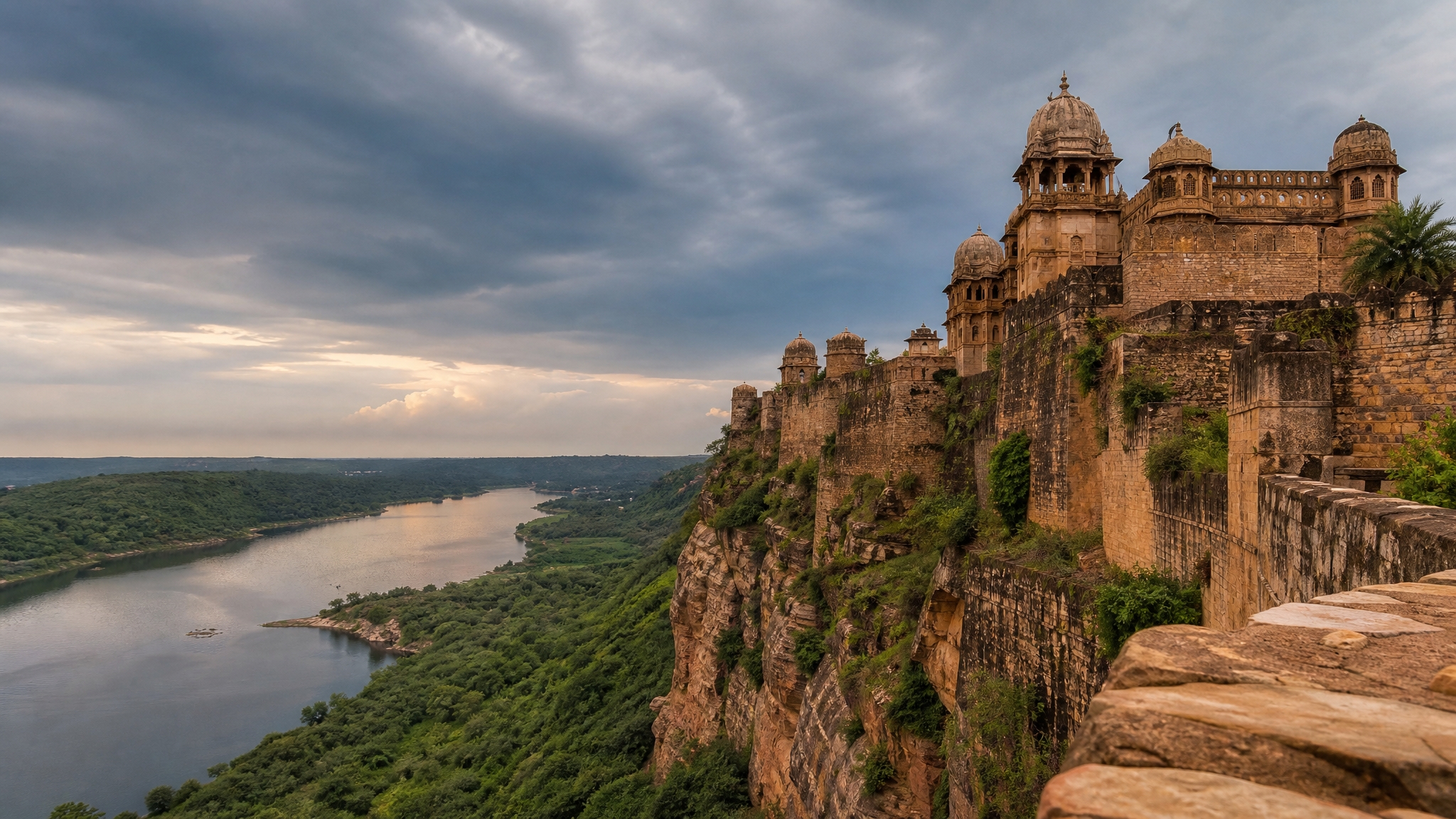
Shahabad Fort is one of the most evocative heritage experiences associated with Baran district, especially for travelers drawn to fortified landscapes rather than polished palace tourism. Its appeal begins with placement. Strongholds like this were never accidental constructions; they were built because terrain, line of sight, defensibility, and political relevance came together in a specific geography. Even before you examine details of masonry or gateways, the site communicates strategy. You feel that the fort belongs to the land it occupies.
For photographers and history-minded visitors, Shahabad Fort often leaves a deeper impression than more commercial sites because it retains a sense of atmosphere. Weathering, scale, partial ruin, and the relationship between walls and surrounding terrain give the place emotional density. Instead of being over-interpreted, it invites your own reading. You notice textures. You pay attention to silence, approach roads, and the way stone catches morning or evening light. This makes the fort especially powerful during the cooler months, when longer walking and observation are comfortable.
Travelers should approach Shahabad Fort with realistic expectations. Heritage-rich places in lesser-known districts may not always offer the polished visitor infrastructure seen in highly commercial tourism zones. That is not a weakness if you prepare properly. Carry water, confirm road conditions, start early, and allow time for careful exploration rather than racing through. If you do that, Shahabad becomes one of the strongest arguments for why Baran deserves more serious travel attention.
The fort also works well as an anchor attraction for people making a heritage-centered itinerary. If you only have one day and want a place that captures the district’s combination of history, terrain, and visual drama, Shahabad is a compelling choice. If you have two or three days, it should still remain a priority because it helps frame every other heritage site you visit afterward.
Shergarh: a riverside historic atmosphere with layered visual character
Shergarh appeals to travelers who enjoy the meeting point of architecture, route memory, and water-influenced landscape. Historic sites associated with river systems often feel different from dry upland forts because the surrounding environment changes the way space is perceived. In Shergarh’s case, that context adds softness and complexity. The experience is not only about walls or structures; it is about how they sit within a larger setting that includes movement, vegetation, and the sense of an older settlement world.
What makes Shergarh especially interesting is its balance between historical seriousness and travel atmosphere. Some places impress because they are monumental. Others impress because they feel inhabited by time. Shergarh belongs strongly to the second category. The visual pleasure comes from transitions: stone against sky, masonry near water, passages between built remnants and open ground, and the way weather conditions can change the mood of the site. It is easy to imagine how such a location once mattered not only militarily or politically but also as part of a wider pattern of human activity.
This site suits travelers who are patient observers. It is less about racing toward a single iconic frame and more about experiencing gradual discovery. Walk slowly. Notice the edges. Look at how the landscape supports the architecture rather than merely surrounding it. That attention transforms Shergarh from a stop on a list into a meaningful heritage encounter. For writers, visual storytellers, and road travelers, it is exactly the kind of place that justifies taking the less obvious route through Rajasthan.
From a planning perspective, Shergarh can be paired with other heritage or scenic points depending on road logistics, but it deserves enough time to feel the place rather than merely mark it visited. If you arrive during strong light and stay through softer afternoon tones, the site often becomes much more memorable.
Kakoni Temple Complex: craftsmanship, sacred history, and the beauty of ruins
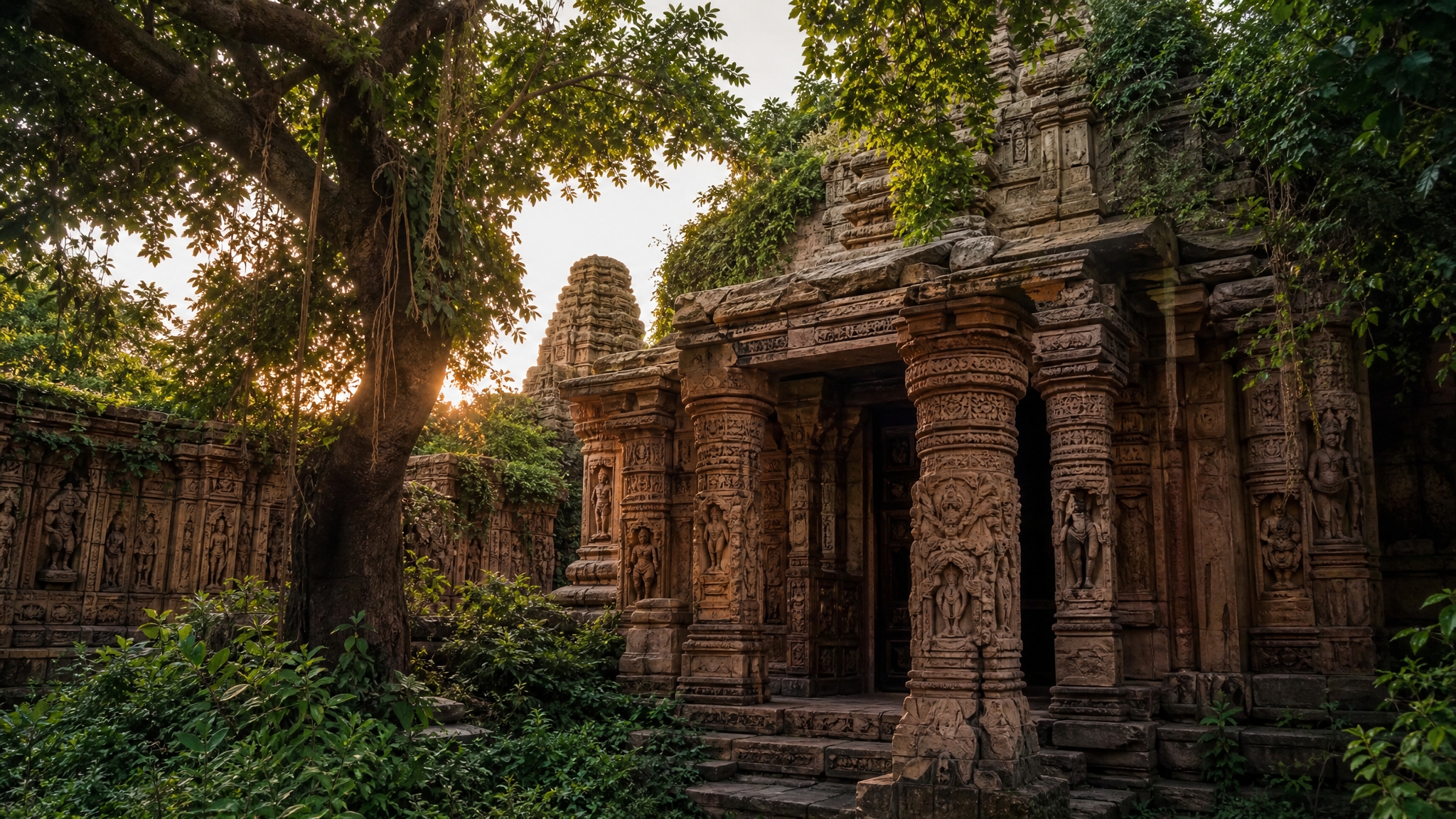
Kakoni is one of the most important places in Baran district for travelers interested in temple architecture, historical craftsmanship, and the emotional beauty of surviving ruins. A temple complex like Kakoni is not simply valuable because it is old. It is valuable because it reveals how stone was used to express belief, patronage, artistry, and regional style over long periods of time. Carvings, structural fragments, surviving forms, and the broader site setting all contribute to an experience that is both scholarly and deeply atmospheric.
Even travelers without formal knowledge of Indian temple architecture often find Kakoni moving because the site allows close visual engagement. Instead of being overwhelmed by scale alone, you can notice surfaces, motifs, proportions, and the dialogue between structure and surrounding environment. Ruined sacred architecture has a special power. It reminds visitors that beauty can survive damage, and that religious landscapes often remain meaningful long after political systems or urban centers have changed around them.
Kakoni is also ideal for travelers who want Baran to feel distinct from a generic heritage itinerary. Many Rajasthan circuits emphasize forts and palaces, but temple remains like these widen the narrative. They show that the district’s identity includes artistic devotion, regional craftsmanship, and a longer sacred geography that cannot be reduced to one era. That makes Kakoni particularly valuable for culturally curious visitors, students, researchers, and photographers looking for detail-rich compositions.
As with other lesser-known sites, a little preparation improves the visit considerably. Go with time, light, and patience. Read the carvings visually. Observe the interplay of ruin and survival. If possible, avoid planning the site as a rushed midday pause. Kakoni is much more rewarding when treated as a centerpiece rather than an afterthought.
Sitabari: sacred gathering, local devotion, and living tradition
Sitabari offers a different kind of value from forts or ruins because it speaks more directly to living religious culture and local continuity. Places like Sitabari matter not only because of mythological associations or historical references but because they continue to draw people into recurring patterns of pilgrimage, ritual, gathering, and memory. For travelers, that living energy can be more revealing than a purely architectural visit.
If you visit during an active period or local fair context, the site may reveal layers of public culture that monuments alone cannot show. You may see how families move through sacred space, how vendors and pilgrims shape temporary economies, and how ritual landscapes adapt to contemporary needs while retaining older significance. Even outside peak periods, Sitabari carries a spiritual calm that helps round out a Baran itinerary. It reminds visitors that the district’s identity is not only historical but also devotional and ongoing.
This makes Sitabari especially meaningful for travelers who want to understand Baran as a lived region. Heritage without living practice can become abstract. Sacred places with active local connection restore the human dimension. If your travel style values observation, respect, and cultural listening, Sitabari can become one of the most memorable parts of the district.
Visitors should always approach such places with sensitivity. Dress modestly, avoid intrusive photography, pay attention to local cues, and remember that for many people this is not a sightseeing spot first. It is a meaningful place of faith. That respectful approach almost always leads to a richer travel experience.
Ramgarh and geographical interest: why landscape itself can be an attraction
Baran is not only about individual monuments. Part of the district’s travel value lies in geography and the way landforms influence settlement, route planning, visual drama, and local memory. Interest around areas such as Ramgarh, especially where crater-linked discussion or distinctive terrain becomes part of regional curiosity, adds a different dimension to the destination. Even when travelers are not conducting scientific study, they often enjoy understanding how unusual landscape features shape the identity of an area.
This type of attraction works best for travelers who appreciate context. You are not visiting solely for a single selfie point. You are visiting to understand how topography, settlement logic, and environmental uniqueness can enrich an itinerary. When combined with forts and temples, scenic or geological points make Baran feel more complete. They demonstrate that the district is not a one-theme destination but a place where multiple forms of interest overlap.
For travel writers and itinerary planners, including landscape-oriented stops also helps vary the rhythm of a trip. After dense architectural observation, a broader scenic point or terrain-based site gives the mind space to reset. It allows travelers to connect monuments back to the wider land. In districts like Baran, that connection matters because history was always influenced by geography.
The best Baran itineraries move between stone and landscape, history and devotion, road travel and stillness.
Other local attractions, smaller discoveries, and why flexibility matters
Beyond the better-known names, Baran also rewards flexible exploration. Smaller shrines, old settlement fragments, roadside views, local water bodies, market neighborhoods, and seasonal cultural activity can all add value to a trip. This is one reason why overplanning every minute is not always ideal. If your schedule is too rigid, you may miss the district’s more organic pleasures. Sometimes a recommended tea stop, a local viewpoint, or an unplanned detour becomes one of the strongest memories of the journey.
Travelers who enjoy field-style exploration should consider asking locally about current road conditions, seasonal access, and nearby points that may not appear prominently in mainstream travel summaries. In less commercial districts, live local knowledge is often better than generic online advice. Just remember to balance curiosity with realism: leave enough time to return before dark, carry essentials, and keep your route manageable.
It is also worth noting that travel satisfaction in Baran comes partly from mood. Do not judge the district by whether every stop has polished signage or commercial activity. Judge it by the quality of experience: the feeling of space, the depth of heritage, the honesty of local life, and the coherence of the route. When measured that way, Baran performs very strongly.
How to group Baran attractions into sensible day routes
A practical way to enjoy Baran is to organize attractions into thematic or geographic clusters. One day can focus on major heritage sites such as a fort and a temple complex, giving you a strong architectural narrative. Another day can combine sacred places, scenic roads, local food, and market time, creating a more cultural rhythm. This approach reduces fatigue and lets each experience breathe. Instead of chasing every attraction in one long loop, you give the district room to unfold.
If you only have one day, choose one fort-focused attraction, one temple or sacred site, and one town-based cultural experience such as a market walk or meal stop. If you have two days, add a landscape-oriented excursion and a slower morning at a second heritage point. With three days, you can build in photography time, seasonal flexibility, and meaningful pauses. That is when Baran begins to feel less like a set of attractions and more like a destination with a voice.
The key is to stay realistic. Road journeys in regional districts take attention. Historical places deserve time. Weather and light affect experience. Build margins into the plan, and you will come away with a better memory of Baran than if you try to do everything quickly.
Final attraction planning advice
Use Baran’s attractions to tell yourself a story about the district: forts explain strategy and power, temples reveal craftsmanship and sacred imagination, gathering sites show living devotion, and scenic corridors tie everything together. That layered understanding is the real reward of visiting. The next step is practical planning, so continue to the Culture & Itinerary page for advice on food, route design, travel etiquette, seasonal timing, and how to structure a memorable stay on baran.in.