What this page covers
Understanding Baran through food, tea breaks, and ordinary hospitality
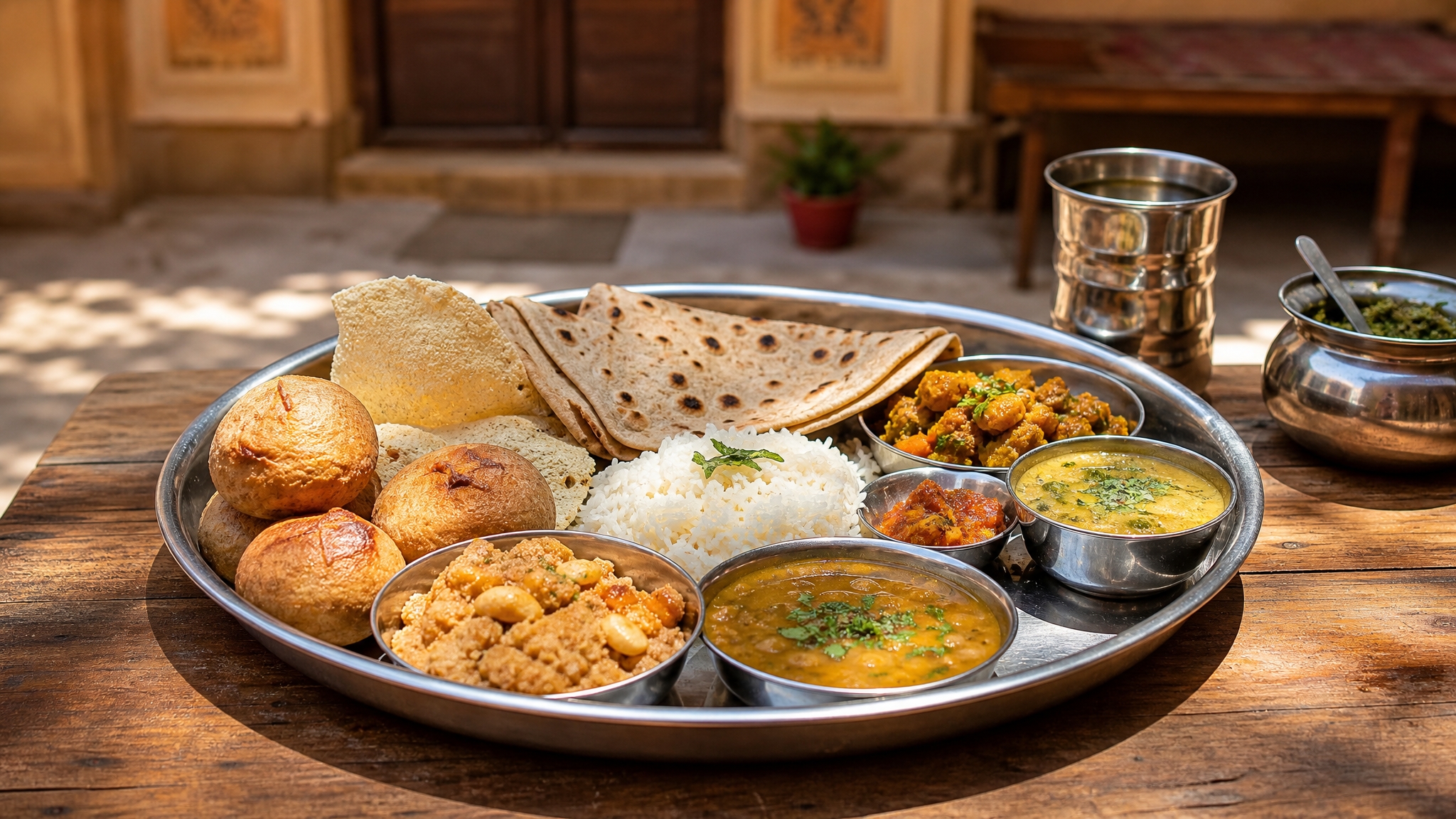
Food is one of the simplest and most reliable ways to understand any destination, and Baran is no exception. The district’s culinary experience is not about curated fine dining or trend-driven menus. It is about practical meals, familiar comfort, regional flavors, and the kind of hospitality that comes from lived routine rather than performance. For travelers, this can be deeply refreshing. Meals in Baran often feel connected to place, weather, work rhythms, and the needs of actual residents, which makes them more revealing than polished destination dining.
A typical travel day in Baran may begin with tea. Do not underestimate that ritual. Morning chai at a local stop is often one of the most grounding experiences on a regional trip. It tells you how the day starts, who gathers where, how quickly a town wakes, and what pace the district holds before full movement begins. If you enjoy observational travel, those small tea moments become part of the destination narrative.
Meal patterns in Baran usually favor straightforward satisfaction. Thalis, rotis, lentils, seasonal vegetables, rice preparations, snacks, and local sweets all play a role depending on where you eat and what time you arrive. Travelers should not come expecting every meal to be a dramatic culinary event. Instead, the pleasure lies in consistency, freshness, and the sense that food supports the journey naturally. After a fort visit or temple stop, a simple local meal can feel more appropriate and memorable than an elaborate restaurant experience.
If you are especially interested in regional food, the best strategy is to stay observant and flexible. Ask for local favorites. Notice what families are ordering. Pay attention to sweets and savory snacks near markets or transport nodes. Some of the most satisfying tastes may come from modest-looking places that understand their local customers well. Baran rewards this kind of curiosity because the district still operates on real demand rather than tourism theater.
Markets, local manners, and how to move respectfully through the district
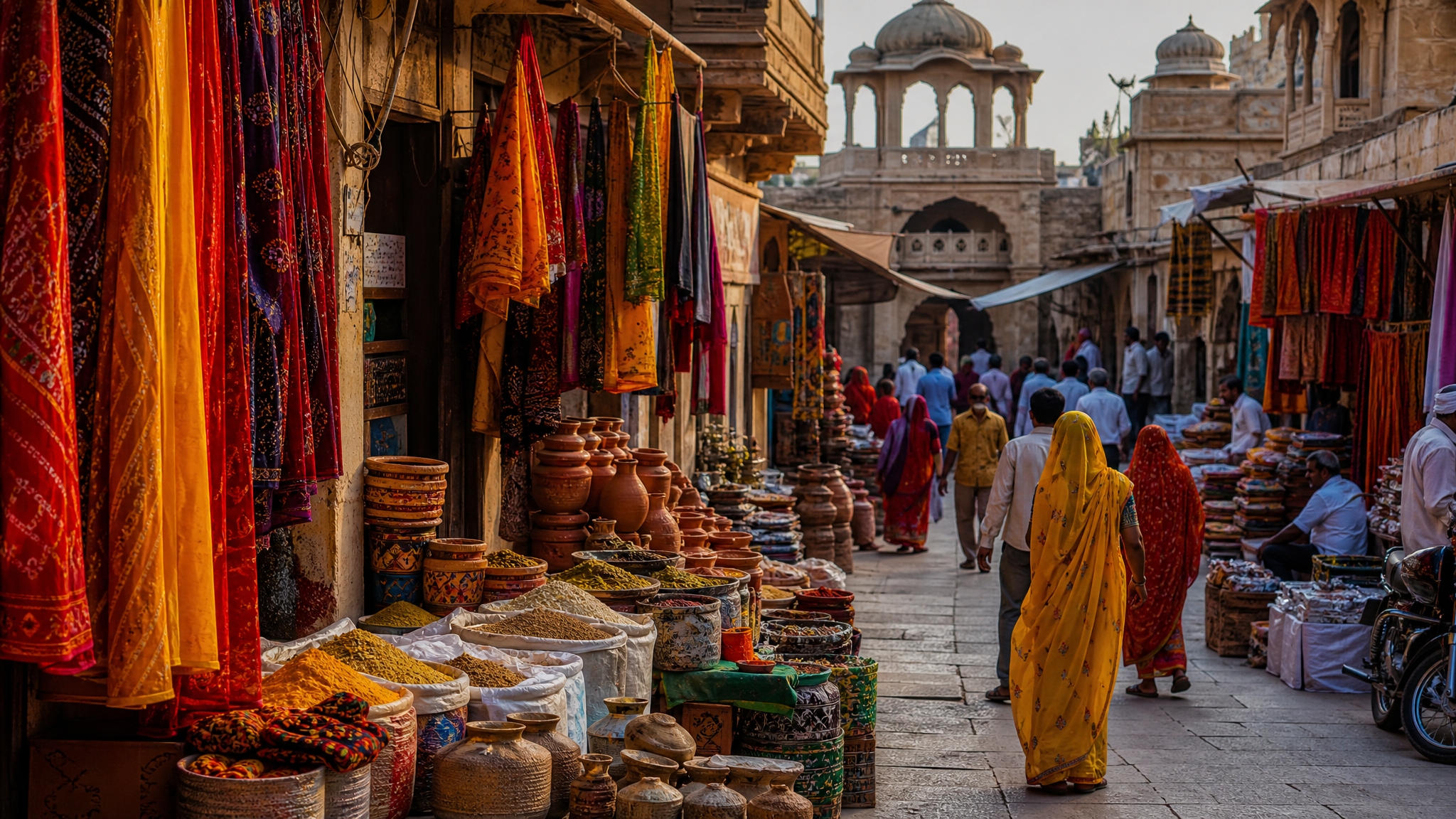
Baran’s markets are valuable not only for shopping but for cultural orientation. A market walk reveals the district’s tempo: what is sold seasonally, how people negotiate space, what goods dominate local demand, and how public life is structured during different hours of the day. For travelers, even a short market visit can provide insight into textiles, household patterns, produce cycles, devotional materials, transport habits, and the social energy of town life.
Respectful movement in these spaces matters. Baran is not a theme set for tourists. It is a working district with its own priorities, rituals, and routines. That means travelers should avoid blocking narrow passages, keep photography considerate, ask before taking close portraits, and treat places of worship, tea counters, and neighborhood lanes as shared local spaces. This attitude almost always improves the experience. When people feel respected rather than observed as spectacle, interactions become warmer and more genuine.
Language can also shape the journey. Even a few polite Hindi greetings or expressions of thanks can make a difference. You do not need perfect fluency to show goodwill. Patience, courtesy, and calm behavior communicate more than rehearsed phrases. For independent travelers, this is part of what makes Baran rewarding: the district encourages real-world travel skills such as listening, adapting, and paying attention rather than relying entirely on prepackaged infrastructure.
Dress expectations should be practical and respectful, especially when visiting temples, sacred water sites, or local gatherings. Lightweight but modest clothing works well in most seasons, and a scarf or shawl can be useful in religious contexts or for sun protection. Modesty is not only about etiquette; it often improves comfort and reduces friction during regional travel.
How culture changes the meaning of an itinerary
The strongest Baran itineraries work because they mix site visits with lived experiences. A purely monument-focused day may be informative, but it can feel incomplete. Add a market walk, a tea pause, a simple lunch, or a conversation around route advice, and the district begins to feel inhabited rather than summarized. This is why cultural awareness is not separate from itinerary planning. It is central to it.
For example, if you visit a heritage site in the morning and then go directly to another major stop without pause, you may cover more distance but learn less. If instead you take time in between to sit, eat, observe, and recalibrate, the second site often becomes easier to read and appreciate. Travel depth is created in those intervals. Baran is particularly good at rewarding them because the district’s atmosphere is built from continuity between places.
Suggested 2-day Baran itinerary for first-time visitors
A two-day Baran itinerary works very well if you want a focused but meaningful introduction. Arrive the previous evening if possible, settle into your accommodation, and keep the first morning free for an early start. Begin day one with a major heritage anchor such as Shahabad Fort or another preselected fort-focused attraction. Give yourself enough time not only to see the structures but to absorb the landscape, approach, and light. This first stop should set the emotional tone of the trip.
After the fort visit, take a meal break rather than rushing directly onward. A local lunch or tea stop creates rhythm and helps you shift from large-scale architecture to the next experience. In the afternoon, visit a second site with a contrasting character, ideally a temple or sacred place such as Kakoni or another heritage cluster that reveals detail and craftsmanship. End the day in town with a gentle market walk, sweets, and an early evening reset.
On day two, build a softer route. Consider a spiritually or culturally significant site such as Sitabari, then combine it with a scenic drive, local food stops, and flexible time for photography or unplanned discoveries. This is also the best day to explore markets more deliberately, observe everyday movement, and buy locally useful items or small takeaways. A two-day plan should leave you with a sense of Baran as both destination and district, not merely a pair of monuments.
This itinerary suits couples, small groups, researchers on limited schedules, and domestic travelers extending a Rajasthan road trip. It is compact but still allows Baran to breathe. The goal is not volume. The goal is contrast, context, and pace.
Suggested 3-day Baran itinerary for deeper exploration
If you can stay three days, Baran becomes significantly richer. Day one can still focus on your strongest heritage anchor, but you will no longer feel pressure to compress everything. Use the afternoon for a second site and close the day with local food and rest. Day two can be devoted to temple architecture, sacred geography, or a cluster that includes Shergarh and associated scenic or riverside atmosphere. Because you have more time, you can linger where the visual or historical mood is strongest.
Day three should be more open-ended. This is the day for repeating a favorite setting in better light, exploring a market in more depth, adding a landscape-oriented detour, or visiting a locally recommended place that was not part of your original list. Three days also create room for weather flexibility, which matters in monsoon or winter when light and road conditions can shift. If you are a photographer or writer, the third day often produces the most satisfying work because you are no longer trying to understand the district from scratch.
Families can also use the third day to slow down and avoid fatigue. Instead of constant motion, choose one meaningful excursion and combine it with relaxed meals and town time. Baran is a destination where leaving space in the itinerary is a strength, not a weakness. A three-day trip allows that principle to work in your favor.
In Baran, good itineraries do not chase everything. They balance heritage, food, road time, and pauses that let the district reveal itself.
Transport tips, route pacing, and why early starts matter
Transport planning can make or break a regional itinerary. In Baran, self-drive or a dedicated vehicle generally offers the best flexibility, especially if you want to combine major attractions with smaller discoveries. Public transport and local options can still be useful, but they may limit spontaneity and reduce the time you can spend on site. If your schedule is short, dependable road mobility is worth prioritizing.
Early starts are especially valuable. Roads are calmer, the light is better, temperatures are often more comfortable, and sites feel more contemplative. By contrast, late starts compress the day and increase the chance that travel fatigue will define your memory of the district. An early departure also gives you room to adapt if a road is slower than expected or a site deserves more time.
When planning routes, avoid designing itineraries that look efficient on a map but feel exhausting in reality. Build in buffer time, meal pauses, and return margins. Keep water, sun protection, and basic first-aid items accessible. Regional travel becomes more enjoyable when you remove preventable friction. Baran rewards competence and calm preparation much more than aggressive over-scheduling.
Seasonal planning, weather expectations, and what to pack
Season matters greatly in Baran because the district’s mood is tied to landscape and movement. Post-monsoon months can bring fresh scenery, more vivid fields, and a satisfying contrast between heritage stone and revived greenery. Winter offers the easiest overall travel conditions, with friendlier temperatures for full-day exploration. These seasons are generally the most comfortable for travelers who want to combine multiple sites with walking, food stops, and market time.
For packing, think practical rather than fashionable. Comfortable walking shoes, a refillable water bottle, breathable modest clothing, sunglasses, sunscreen, and a light layer for winter mornings or evenings are wise choices. A small notebook can be useful if you like documenting routes or local recommendations. A scarf or shawl helps with sun, dust, and temple etiquette. If you are visiting in monsoon or immediately afterward, be prepared for changing road surfaces and occasional moisture-related delays.
Photographers should consider lens protection, a cloth for dust or humidity, and enough storage to capture both broad landscapes and architectural details. Baran is a place of textures: stone surfaces, market color, foliage after rain, and layered town scenes. Travelers who come prepared often leave with stronger visual memories.
Responsible travel in Baran: how to leave a light footprint
Responsible travel in Baran begins with respect for scale. This is not a destination built for mass consumption, and that is one of its greatest strengths. Travelers should support the district by moving carefully, buying thoughtfully, avoiding litter, and treating heritage and sacred spaces with genuine restraint. Do not carve, climb carelessly, or force access where it is clearly inappropriate. The district’s quieter sites are valuable precisely because they have not been overwhelmed.
Support local economies in practical ways. Eat at local establishments, use local transport services where suitable, buy snacks or small essentials from neighborhood shops, and remain patient when systems are less polished than in major tourism hubs. That patience is part of ethical regional travel. It respects the fact that the place exists for its residents first and visitors second.
It is also responsible to be accurate when you share your trip. If you publish photos or writing, avoid flattening Baran into clichés. Mention the district’s nuance: its landscapes, heritage complexity, everyday dignity, and slower rhythm. Good travel storytelling can help lesser-known destinations without reducing them to trend fragments. Baran deserves that level of care.
What makes Baran memorable in the long run
Travelers often remember Baran not because one thing was overwhelmingly famous, but because the entire experience felt coherent. The district offers enough heritage to feel substantial, enough cultural life to feel real, enough scenery to feel calming, and enough unpredictability to feel alive. A fort, a carved temple, a road through fields, a chai stop, a market conversation, and a modest dinner can combine into a travel memory far more durable than a rushed day in a crowded landmark city.
If you have already read the Home page and the Places to Visit guide, this page should help you turn inspiration into action. Use it to shape a trip that respects Baran’s pace and reveals its strengths properly. Travelers who do that usually leave with a rare impression: that they did not simply pass through a district, but actually spent time with it.